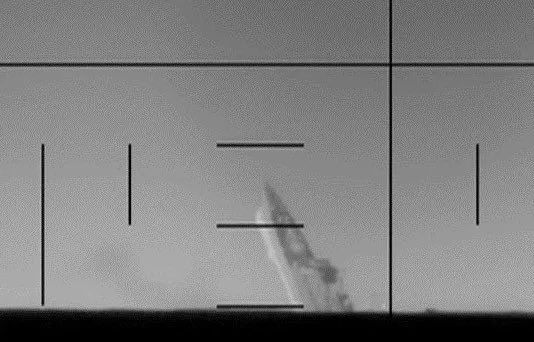
On March 4, the Islamic Republic of Iran's frigate IRIS Dena was torpedoed and sunk by a U.S. Navy submarine in the Indian Ocean. According to the U.S. Central Command, the sub’s Mark 48 heavyweight torpedo struck the Dena's stern, detonating and shattering the vessel. A Pentagon news briefing confirmed the attack: "An American submarine sunk an Iranian warship that thought it was safe in international waters… instead, it was sunk by a torpedo. Quiet death," said Defense Secretary Pete Hegseth. Hegseth noted this was "the first sinking of an enemy ship by a torpedo since World War II" (in U.S. service). Chairman of the U.S. Joint Chiefs, Gen. Dan Caine, added that a single Mark 48 torpedo accomplished the kill.
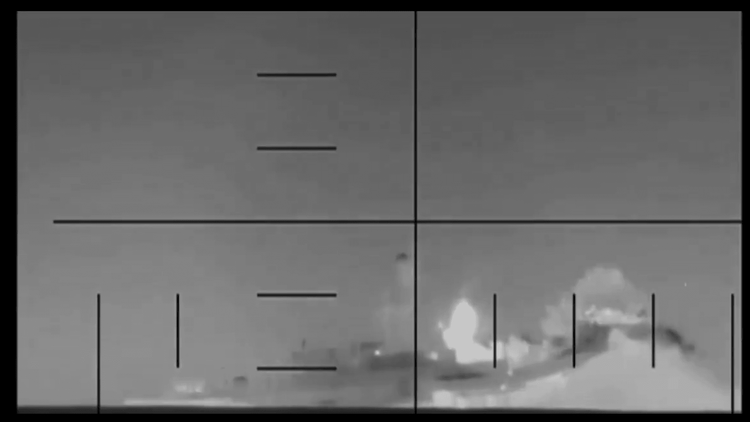
Sri Lankan forces responded to a distress call from the Dena shortly after the strike. By the time Sri Lankan navy ships arrived on scene, only oil slicks and life rafts remained; dozens of Iranian sailors were found floating in the water. In total, 87 bodies were recovered and 32 crewmen rescued, according to Sri Lanka’s navy. The survivors were taken to a hospital in Galle – one is in critical condition, several are seriously wounded, and others suffered minor injuries. About 60 crew members have not been found and are presumed lost at sea.
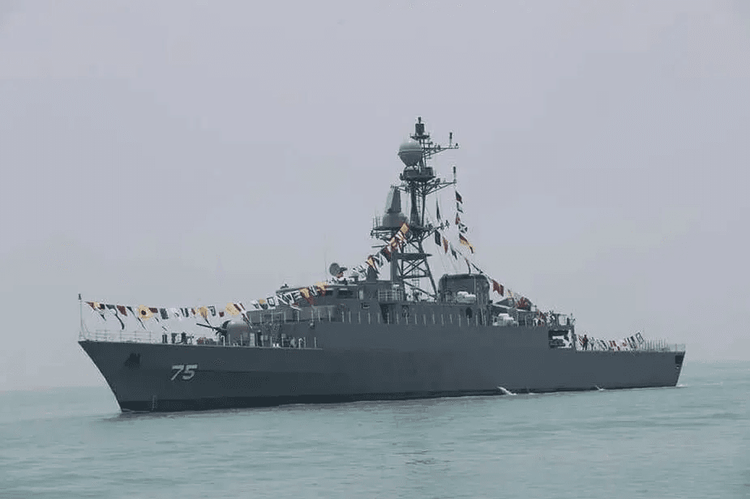
IRIS Dena was a Moudge-class (Mowj-class) frigate, heavily armed for deep-water operations. It carried surface-to-air and anti-ship missiles, a 76 mm main gun, smaller guns, lightweight torpedoes, and a helicopter. The ship had recently returned from an international fleet review and exercise in the Indian Ocean. India’s navy confirmed that Dena participated in the Feb. 15–25 International Fleet Review and MILAN 2026 drill at Visakhapatnam. (Iran's foreign minister later noted the frigate was "a guest" of India's navy during that event.) Prior to its sinking, the U.S. had already sanctioned Dena (and its support ship) in 2023 for alleged involvement in weapons proliferation.
Iranian leaders reacted with fury. Foreign Minister Seyed Abbas Araghchi denounced the attack as an "atrocity at sea" and warned that Washington would "bitterly regret the precedent it has set". Tehran threatened retaliatory strikes and even closing the Strait of Hormuz. Iran's navy chief vowed to avenge the sinking, while the speaker of Parliament called it "a barbaric act" (according to state media). Internationally, India expressed concern that one of its invited ships was sunk so close to its waters, though New Delhi officially refrained from criticism pending further analysis. The incident has drawn condemnation from some European quarters and will likely complicate regional diplomacy.